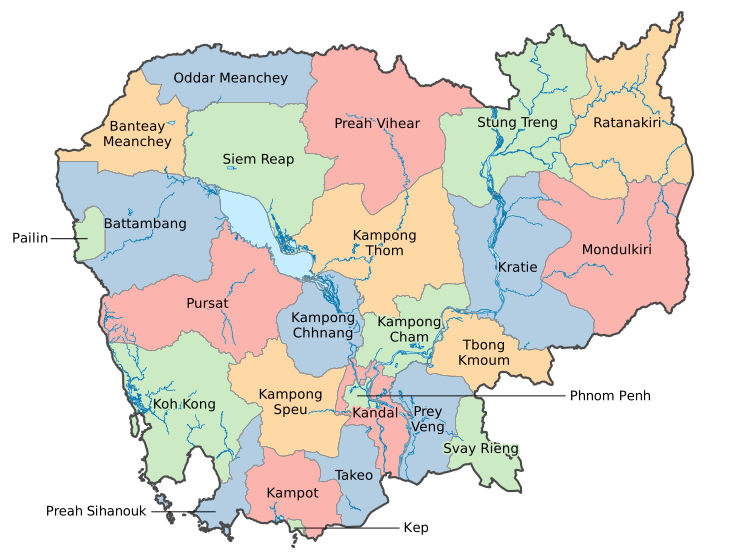
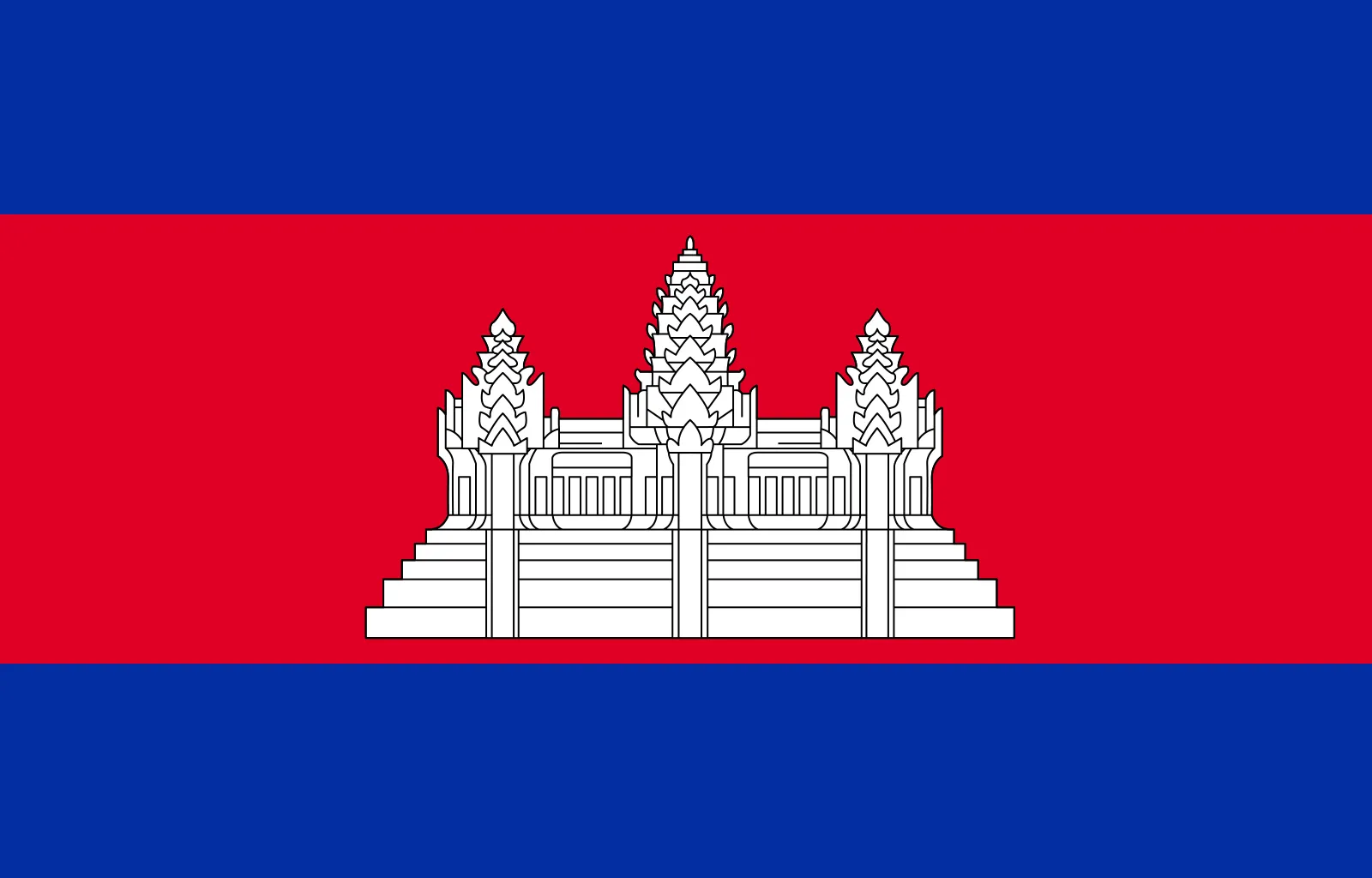
Cambodia, a nation in Southeast Asia, is defined by a profound historical legacy and a resilient cultural identity shaped over centuries. At the height of its influence, the Khmer Empire stood as one of the region’s most powerful civilizations, leaving behind architectural masterpieces such as Angkor Wat, a symbol of both spiritual devotion and engineering brilliance. Following this golden era, Cambodia experienced a prolonged period of decline and external domination, ultimately becoming part of France’s colonial empire in the 19th century. Independence was achieved in 1953, marking the beginning of a new national chapter. However, the country soon endured one of the darkest periods in modern history under the Khmer Rouge, led by Pol Pot, during which approximately 1.7 million lives were lost between 1975 and 1979. In the decades that followed, Cambodia has gradually rebuilt and stabilized, emerging as a developing nation with a growing economy driven by tourism, garment manufacturing, and agriculture. The capital, Phnom Penh, serves as the political and economic center, reflecting both the country’s rapid urban development and its enduring traditions. Culturally, Cambodia remains deeply rooted in Theravada Buddhism, which influences daily life, artistic expression, and social values. Traditional forms such as the Apsara dance, along with national celebrations like Khmer New Year, illustrate a society that continues to honor its heritage while adapting to modern realities. Geographically, the lifelines of the nation—the Mekong River and Tonlé Sap—sustain agriculture and shape patterns of settlement and livelihood. In essence, Cambodia is a country of striking contrasts: a civilization once at the pinnacle of regional power, a nation that endured profound tragedy, and today, a society steadily advancing toward a more stable and prosperous future.